Resources
How to Use These Buyer Guides
This library is built for procurement and engineering alignment, not general marketing reading. Each article includes decision criteria, risk controls, and practical actions you can reuse in real RFQ and validation workflows.
- Start from selection guides to narrow architecture choices.
- Use RFQ checklists to reduce back-and-forth with suppliers.
- Bring the same acceptance criteria into sample and mass-production gates.
Reading Order by Project Stage
Read articles in decision order so your team moves from model screening to RFQ quality and then to customization governance without missing critical handoff details.
| Project Stage | Recommended Article | Decision Output |
|---|---|---|
| Sourcing | FDA Early Alert: Abiomed/Oscor Large-Bore Sheath Leakage and Hub Bonding Risks | Reusable acceptance criteria and checklists for supplier communication. |
| engineering-guides | Preventing Hydrophilic Coating Delamination: A Sourcing Guide for Catheter OEMs | Reusable acceptance criteria and checklists for supplier communication. |
| engineering-guides | EtO Sterilization EPA Rules (2026): Impact on Catheter Polymer Selection and Sourcing | Reusable acceptance criteria and checklists for supplier communication. |
You can also filter by buyer intent in our product, company, and news categories.
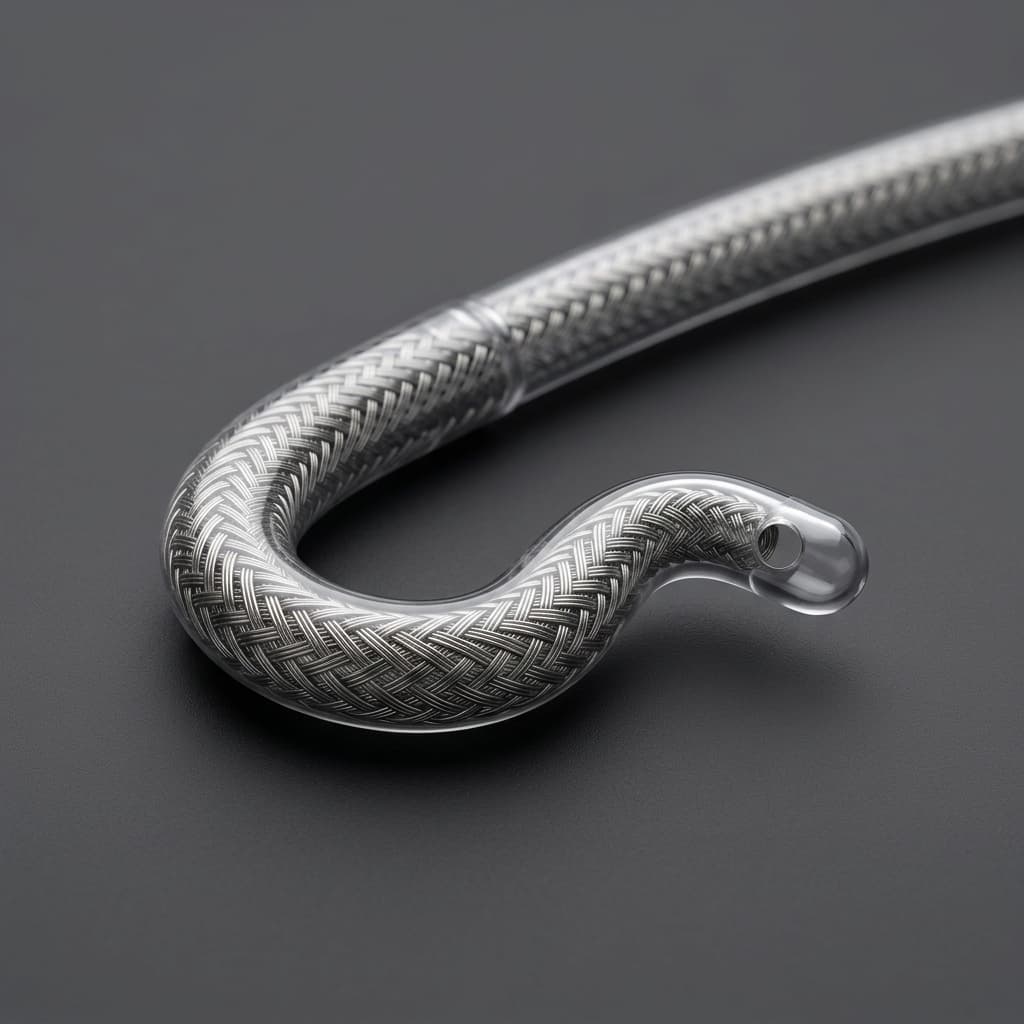
FDA Early Alert: Abiomed/Oscor Large-Bore Sheath Leakage and Hub Bonding Risks
The June 2026 FDA Early Alert regarding Abiomed and Oscor 14Fr/23Fr introducer sheaths reveals critical hub bonding and splittable score line vulnerabilities in large-bore catheter manufacturing.

Engineering GuidesSourcing
Preventing Hydrophilic Coating Delamination: A Sourcing Guide for Catheter OEMs
Hydrophilic coating delamination guide for catheter OEMs: compare bonding methods, FDA risk signals, supplier questions, and RFQ controls before sourcing.

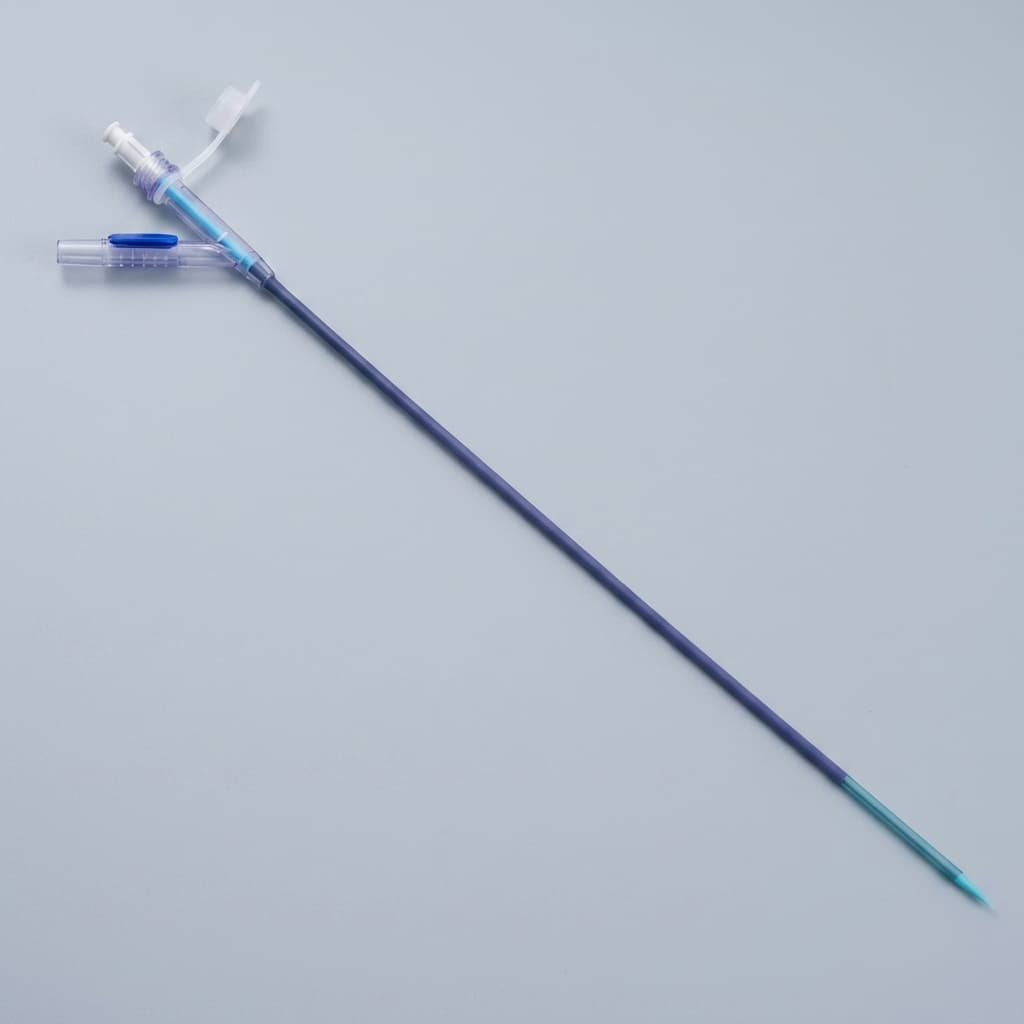
Engineering GuidesMaterial SelectionSourcing
EtO Sterilization EPA Rules (2026): Impact on Catheter Polymer Selection and Sourcing
Use this 2026 EtO sterilization EPA rules guide to compare catheter polymer risks, radiation trade-offs, sourcing checks, and OEM review steps.
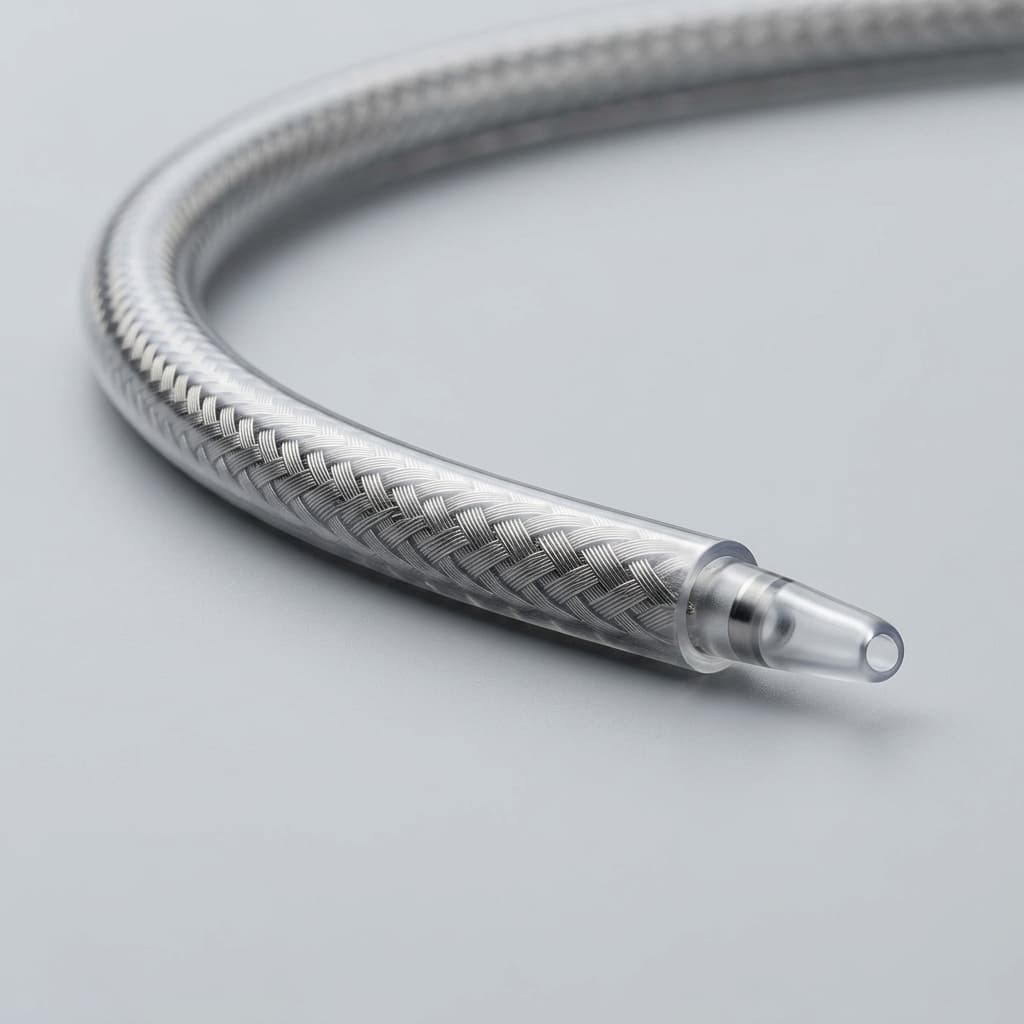
Engineering GuidesSourcing
Variable Pitch vs. Multi-Segment Braiding: Optimizing Catheter Flexibility and Cost
Compare variable pitch braiding vs multi-segment catheter shafts for flexibility, kink risk, yield, cost, and OEM RFQ decisions. Request a DFM review.
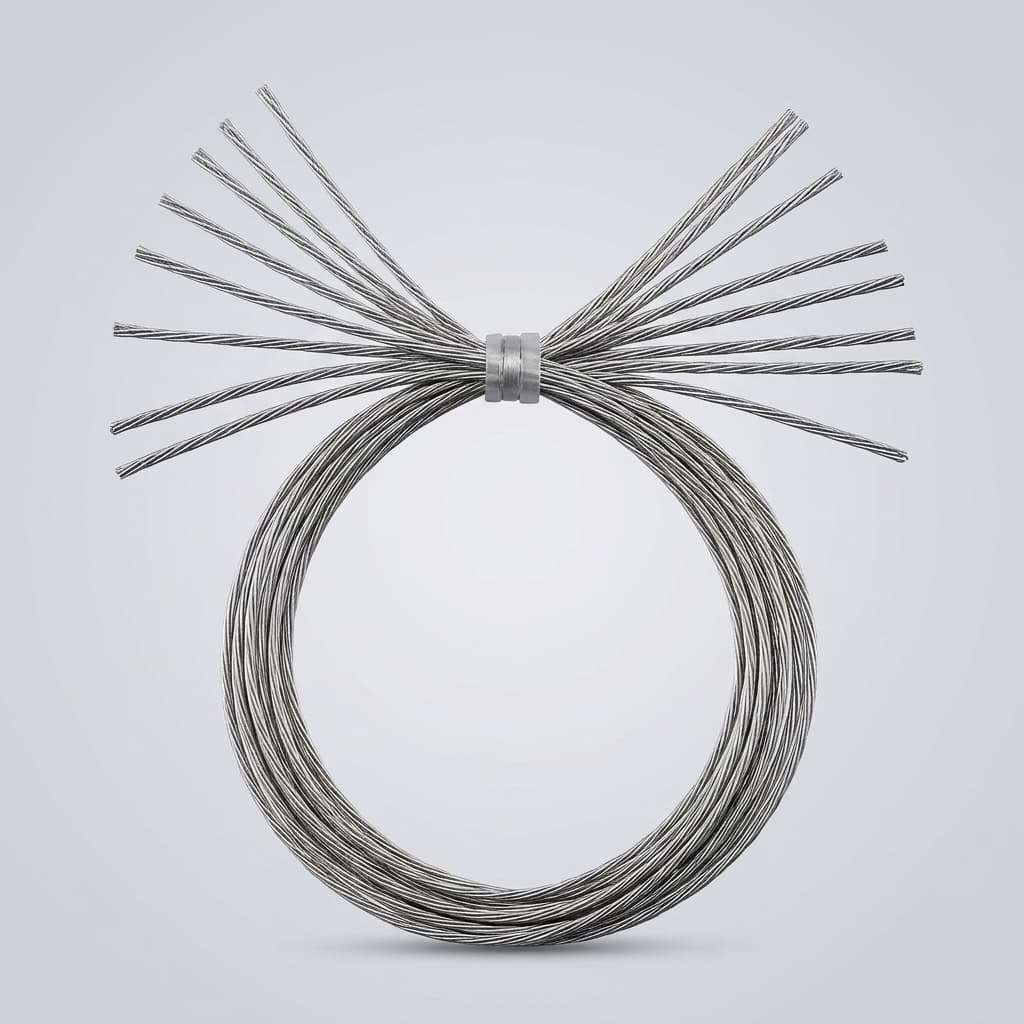
Engineering GuidesMaterial Selection
Nitinol vs. Stainless Steel 304V in Catheter Braiding: An OEM Sourcing and Cost-Benefit Guide
Compare Nitinol vs stainless steel 304V catheter braid wire for OEM sourcing, cost, kink risk, lead time, testing, and RFQ decisions. Request DFM input.
FDA Class I Recall (July 2026): Mitigating Distal Tip Detachment in Delivery Catheters
The recent Class I recall of a major delivery catheter system over distal tip detachment highlights critical risks in inner shaft assembly and transition zone bonding. Learn how buyers and OEM engineers can audit suppliers to prevent this manufacturing defect.