Catheter Braiding OEM
Start inquiry
Catheter Braiding OEM

China-based catheter shaft OEM partner for braided, coil reinforced, and PTFE lined medical component programs.

Inquiry Email

[email protected]

Email app

Include OD/ID, shaft stack, prototype quantity, and delivery location.

Instant Chat

+8618857971991

Chat on WhatsApp

Direct response from our engineering team.

Products
  • Braided Catheter Shaft
  • Coil Reinforced Catheter
  • PTFE Lined Catheter Shaft
  • Marker Band Assembly
  • Steerable Shaft
Applications
  • Neurovascular Shafts
  • Structural Heart Delivery
  • Endovascular Access
  • Endoscope & Robotic Shafts
OEM Capabilities
  • Catheter Braiding OEM
  • Coil Winding OEM
  • PTFE Liner Processing
  • Reflow and Lamination
  • Supplier Readiness
  • Shaft Assembly
Resources
  • Blog
  • About
  • Contact / RFQ
  • Privacy Policy
  • Cookie Policy
  • Terms of Service
© 2026 Catheter Braiding OEM. All Rights Reserved.|Backed by Linkup Ai Co., Ltd. Manufacturing delivered by the Advanced Manufacturing Division of Linkup Precision.|Legal entity: Linkup Ai Co., Ltd.
← Back to Products

Steerable Catheter Shaft Components

Custom reinforced catheter shaft components for steerable, deflectable, and endoscopic access devices where torque, pull-wire routing, and distal flexibility must align.

Target Buyer:Best for advanced device teams that need reinforced catheter know-how before committing to expensive internal equipment or European CDMO capacity.
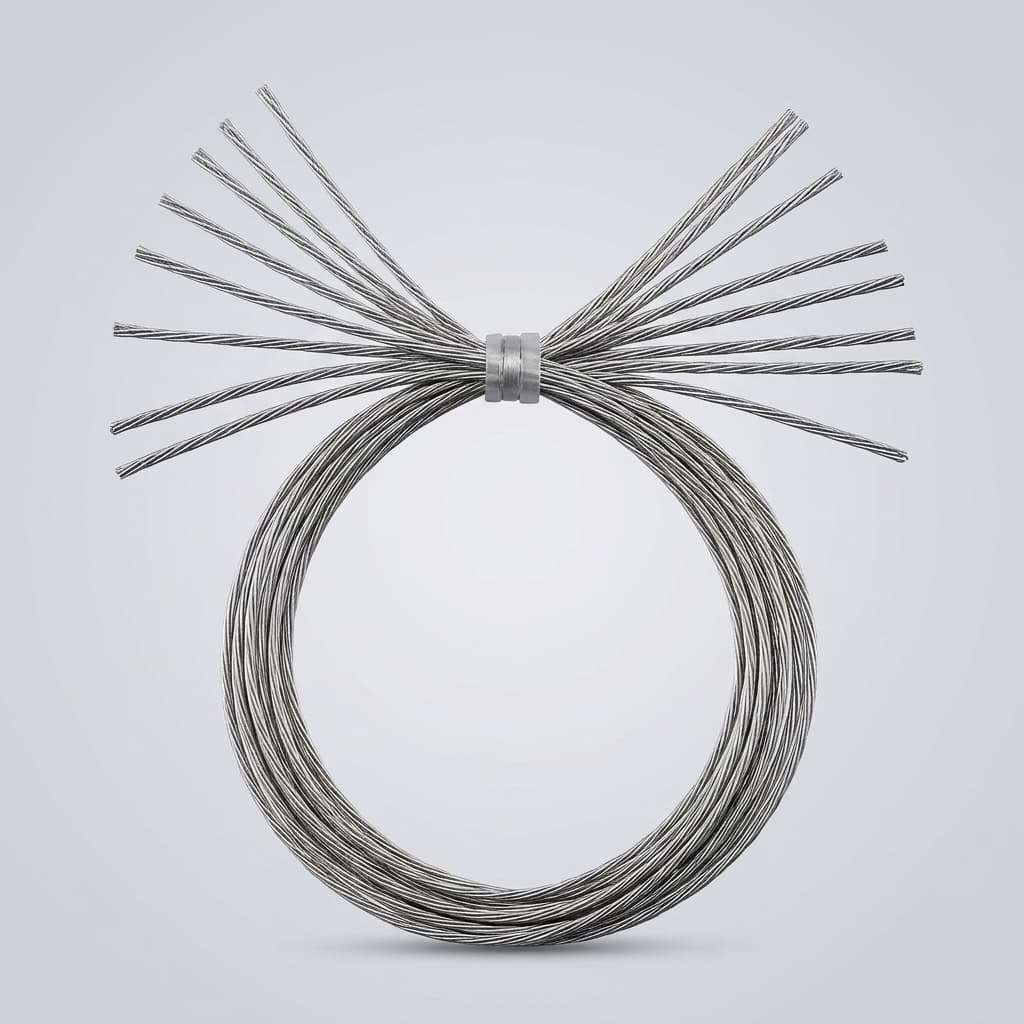
Catheter shaft manufacturing visual for OEM medical component buyers

Capability Highlights

  • Braided or coil reinforced shaft sections for steerable devices
  • Multi-lumen and pull-wire routing discussion support
  • Distal flexibility transition planning
  • Prototype support for robotic, endoscopic, and interventional programs

Typical Applications

  • Steerable sheaths
  • Robotic catheter systems
  • Endoscope bending sections
  • Electrophysiology and structural heart access devices

Engineering Focus

  • Deflection-zone stiffness and reinforcement termination
  • Pull-wire or lumen path impact on shaft OD and jacket stack
  • Torque response, whip, and fatigue around the transition zone
  • Prototype iteration planning before process lock

Key Evaluation Matrix

MetricTypical RangeWhy It Matters
Deflection zoneDefined by catheter design and bend radiusSteerable devices need flexible distal behavior without losing proximal torque control.
Transition fatigueValidated by cycle and bend testingFailure often concentrates where reinforcement, jacket, and pull-wire forces change abruptly.

RFQ Checklist

  1. Steerable section length, target deflection, and OD envelope
  2. Single-lumen or multi-lumen architecture assumptions
  3. Braid/coil/hypotube transition concept if available
  4. Pull-wire, marker, distal tip, and jacket requirements
  5. Prototype timeline and test method for deflection/fatigue

Risk Controls

  • Transition-zone fatigue: Prototype stiffness gradients, reinforcement termination, and jacket durometer sequence together.
  • Unrealistic OD target: Review lumen, pull-wire, reinforcement, and jacket stack before committing to tooling.

Buyer FAQ

Can you build a complete steerable catheter?

The initial scope is reinforced shaft components and assembly support. Full device responsibility, clinical claims, and regulatory ownership remain with the device OEM.

Can this start from a concept drawing?

Yes. Early concept reviews are useful when OD envelope, deflection target, and lumen architecture are not yet frozen.

Related Resources

  • OEM Capabilities
  • Contact / RFQ

Inquiry Email

[email protected]

Email app

Include OD/ID, shaft stack, prototype quantity, and delivery location.

Instant Chat

+8618857971991

Chat on WhatsApp

Direct response from our engineering team.