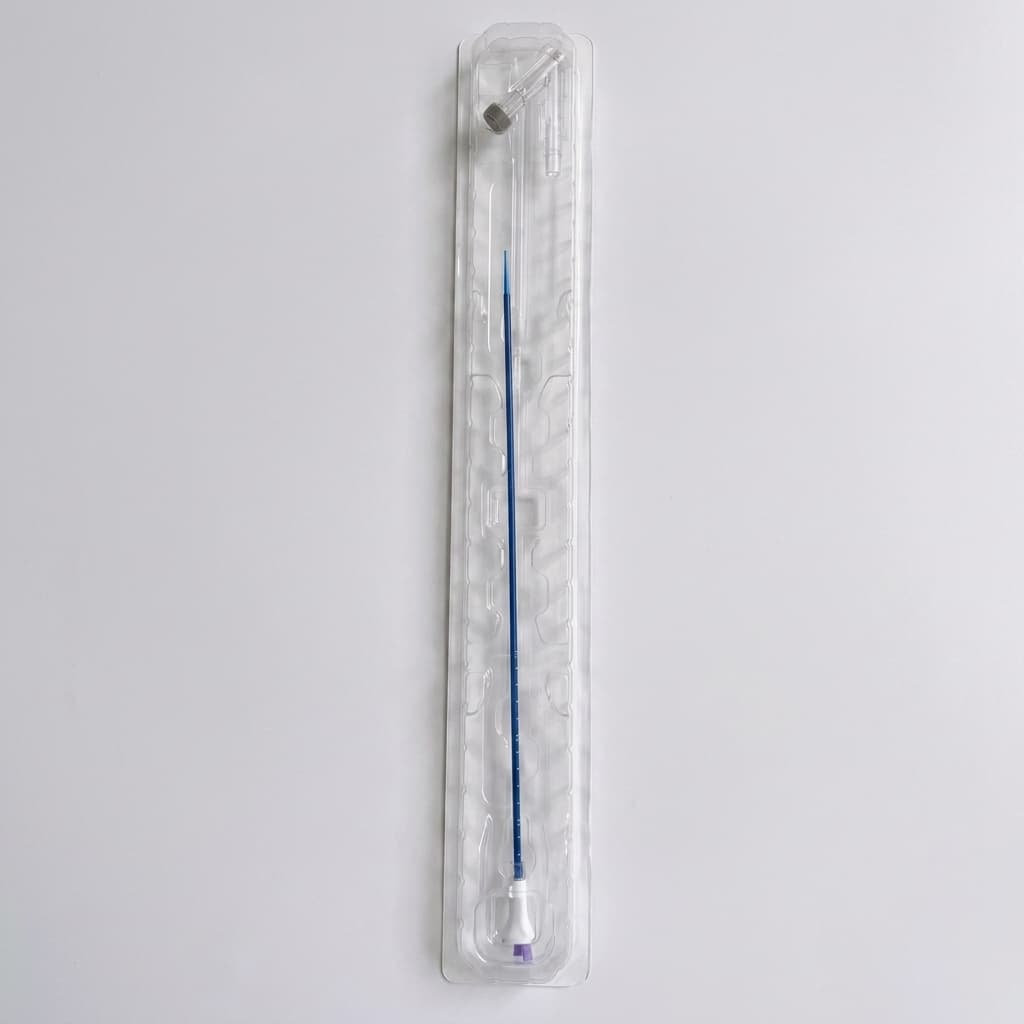
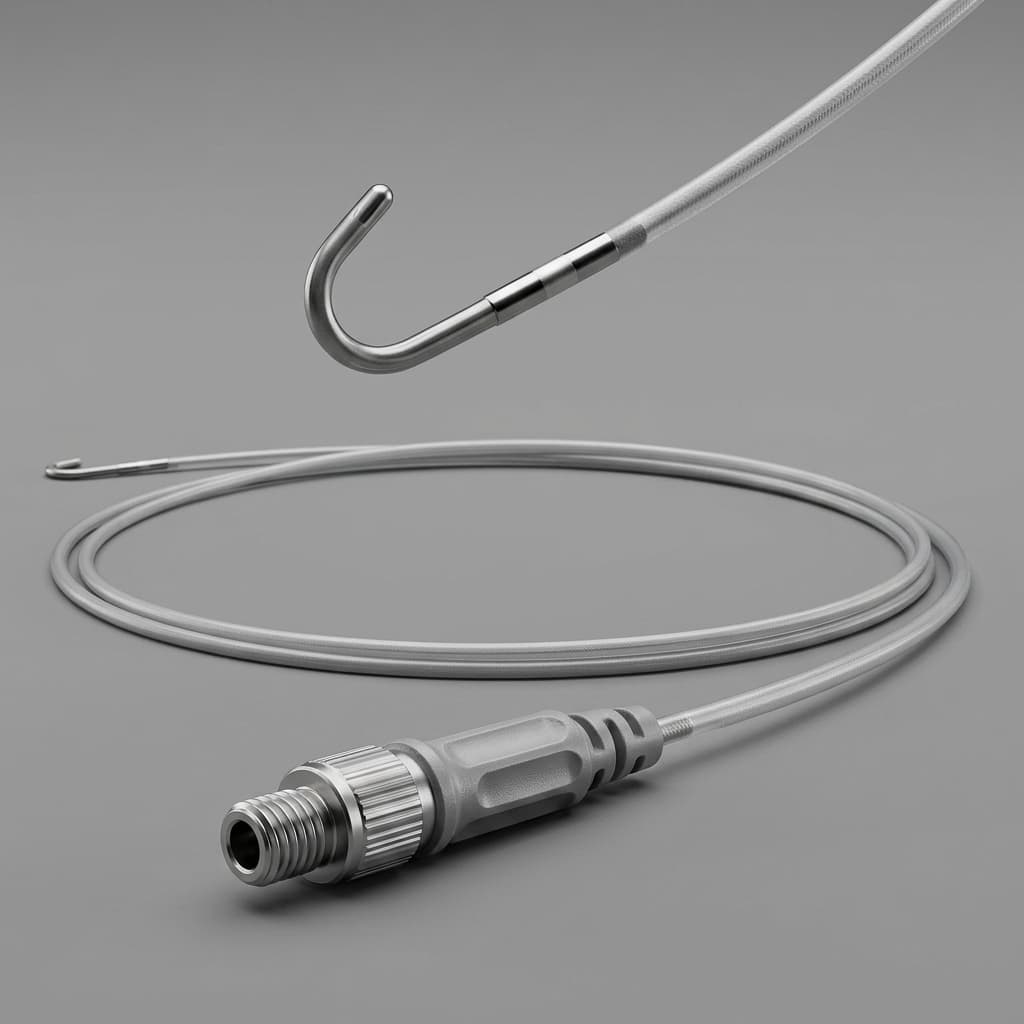
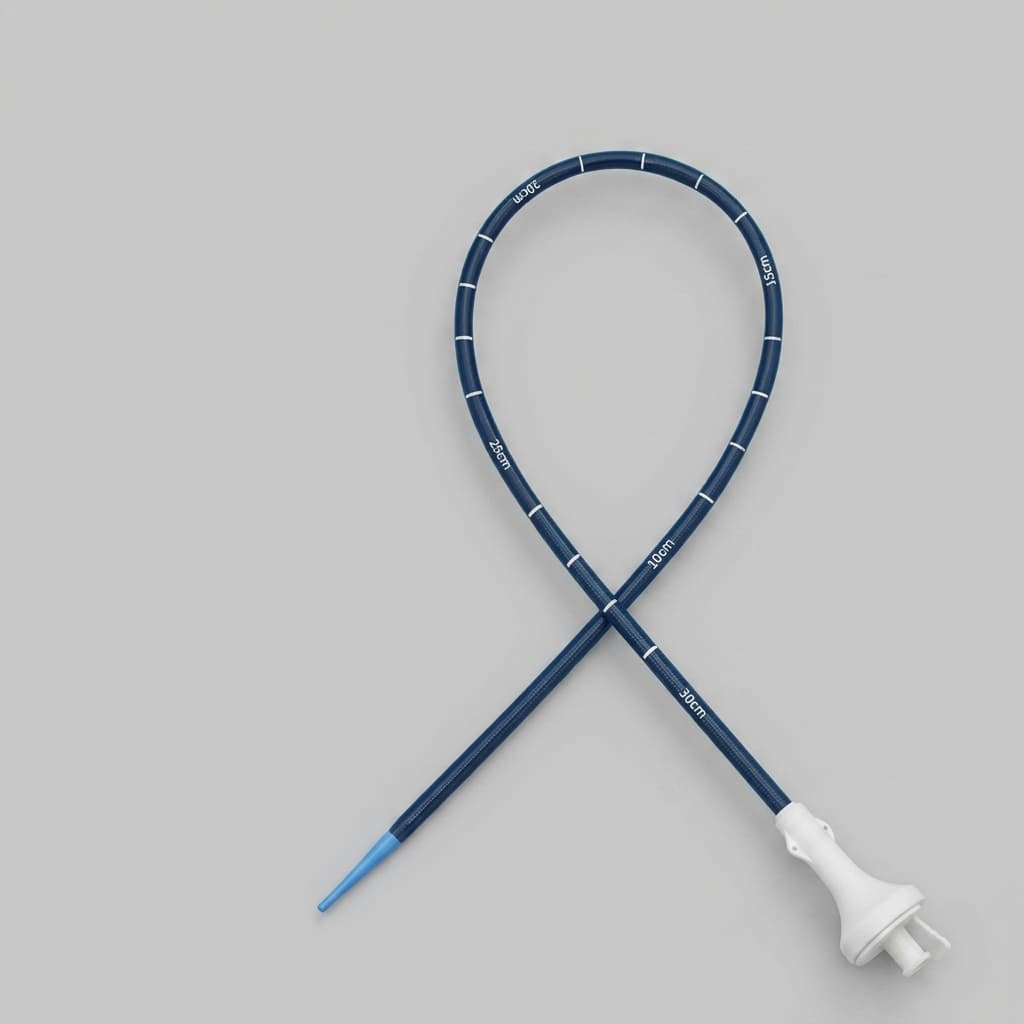
| Coil Winding and Reinforcement | For R&D and process engineers needing precise, repeatable coil pitch control without investing in internal winding equipment. | Pitch consistency: Application specific | Inconsistent pitch causes variable stiffness and unpredictable kink behavior during clinical use. |
| PTFE Liner and Mandrel Processing | For quality and manufacturing teams who understand that catheter failure often starts with a collapsed or delaminated inner lumen. | Inner Diameter (ID) retention: ±0.001" to ±0.002" depending on size | A loss of ID prevents the clinical device or guidewire from passing through the catheter. |
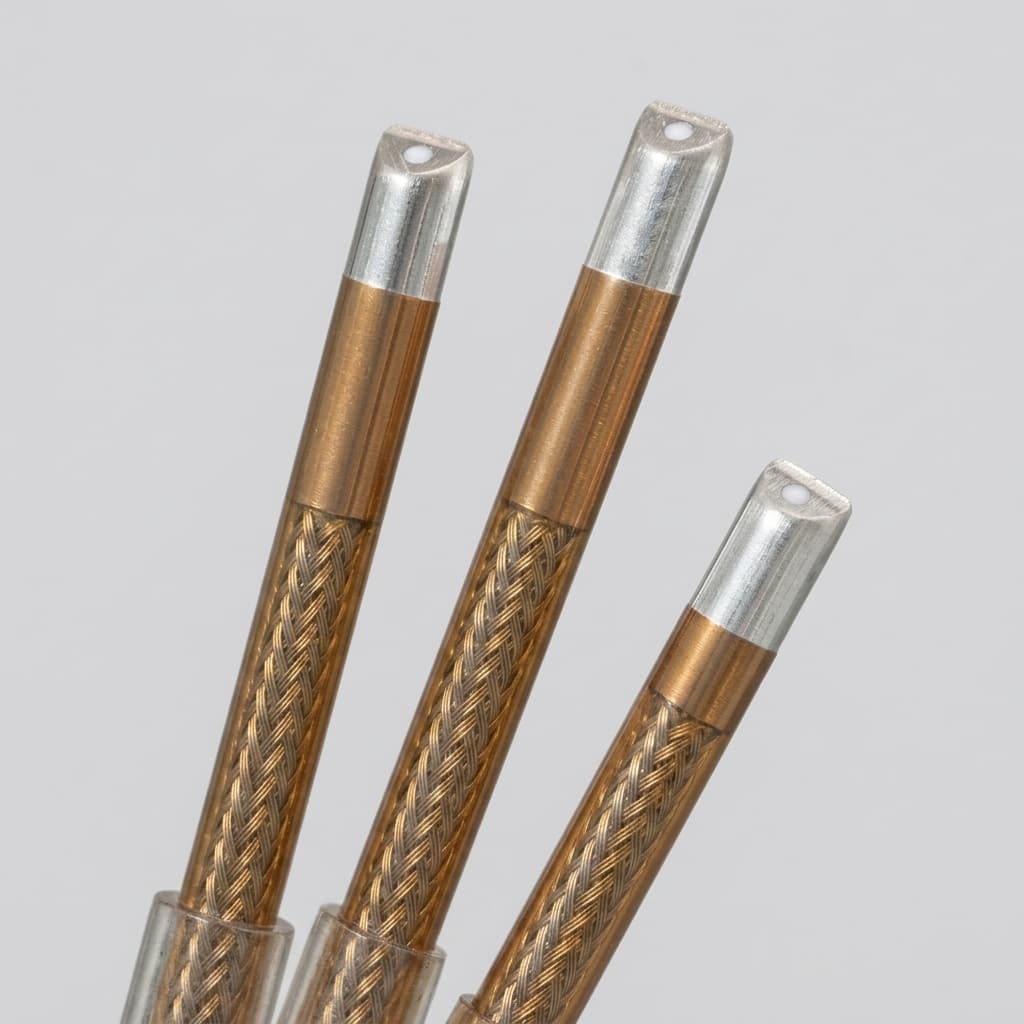
| Catheter Braiding OEM | For catheter OEMs, CDMOs, and R&D teams looking for China-based responsive catheter shaft capacity. | Prototype responsiveness: Schedule depends on material and tooling readiness | Catheter programs often need fast design learning before locking costly internal process capacity. |
| Catheter Reflow and Lamination | For engineering teams whose shaft performance depends on thermal process quality as much as material selection. | Reflow defect control: Visual and dimensional acceptance plan | Reflow defects directly affect trackability, lumen function, and buyer trust. |
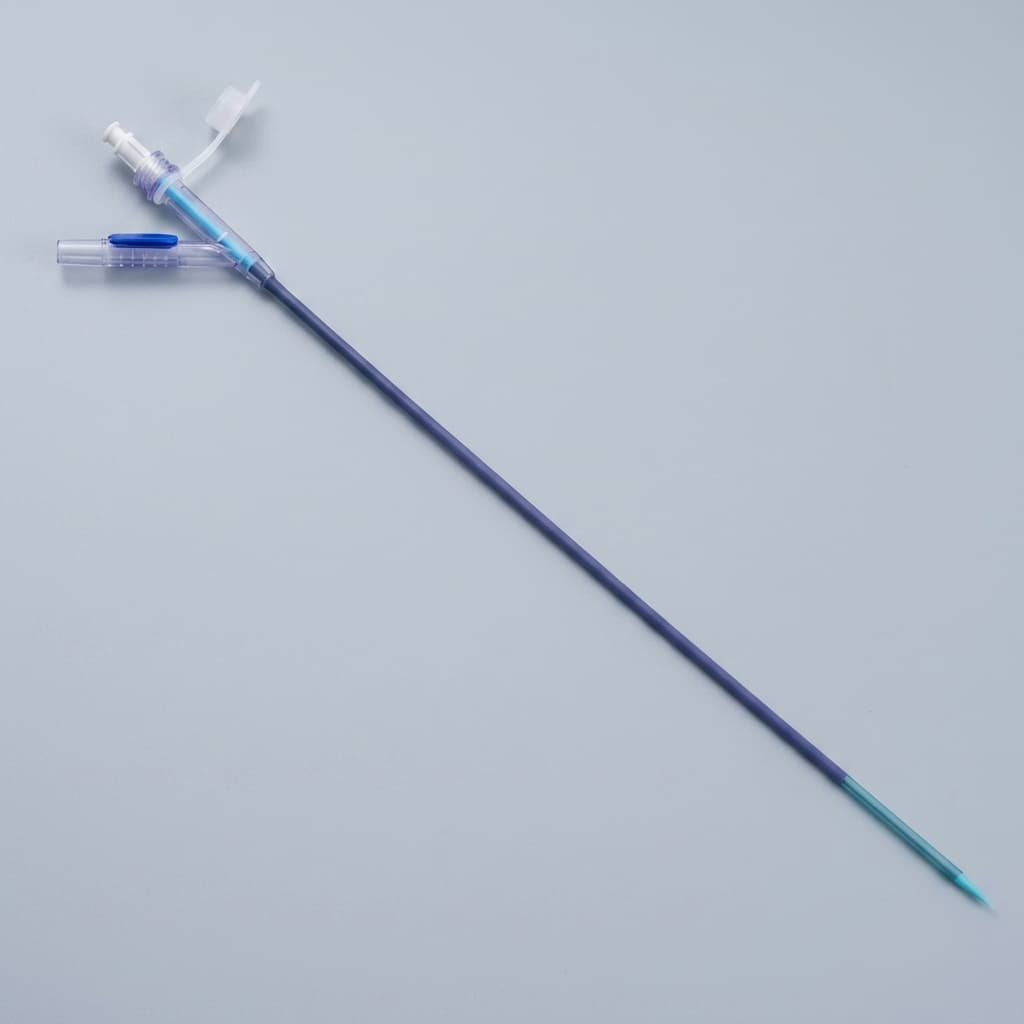
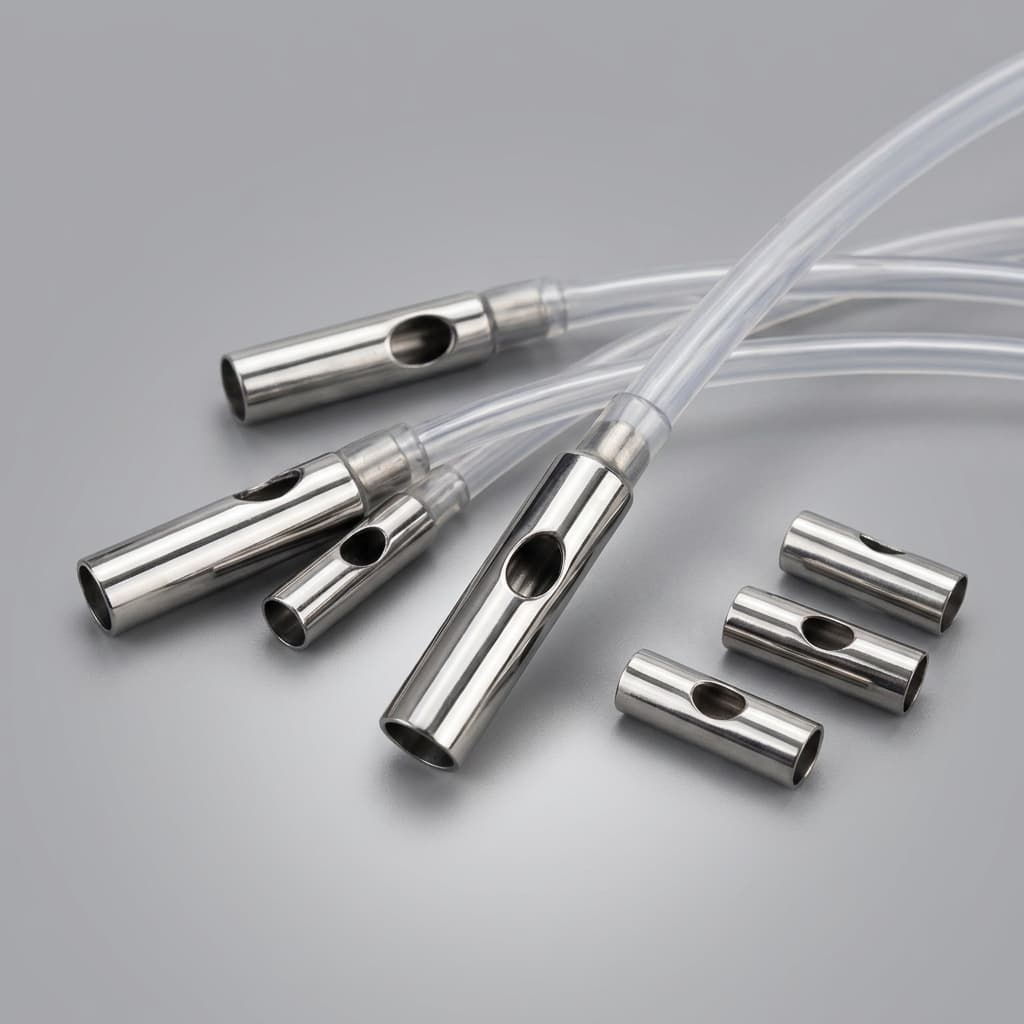
| Catheter Shaft Assembly Support | For buyers who want fewer handoffs between shaft reinforcement, marker placement, and distal section build-up. | Assembly alignment: Datum and tolerance defined by drawing | Marker, tip, and transition alignment affects imaging, usability, and validation confidence. |
| ISO 13485 Supplier Readiness | For procurement and quality teams that need more than a low-cost quote for medical catheter components. | Documentation readiness: Defined by buyer qualification package | Medical component sourcing fails quickly when documentation is not aligned before pilot production. |