← Back to OEM Capabilities

PTFE Liner and Mandrel Processing

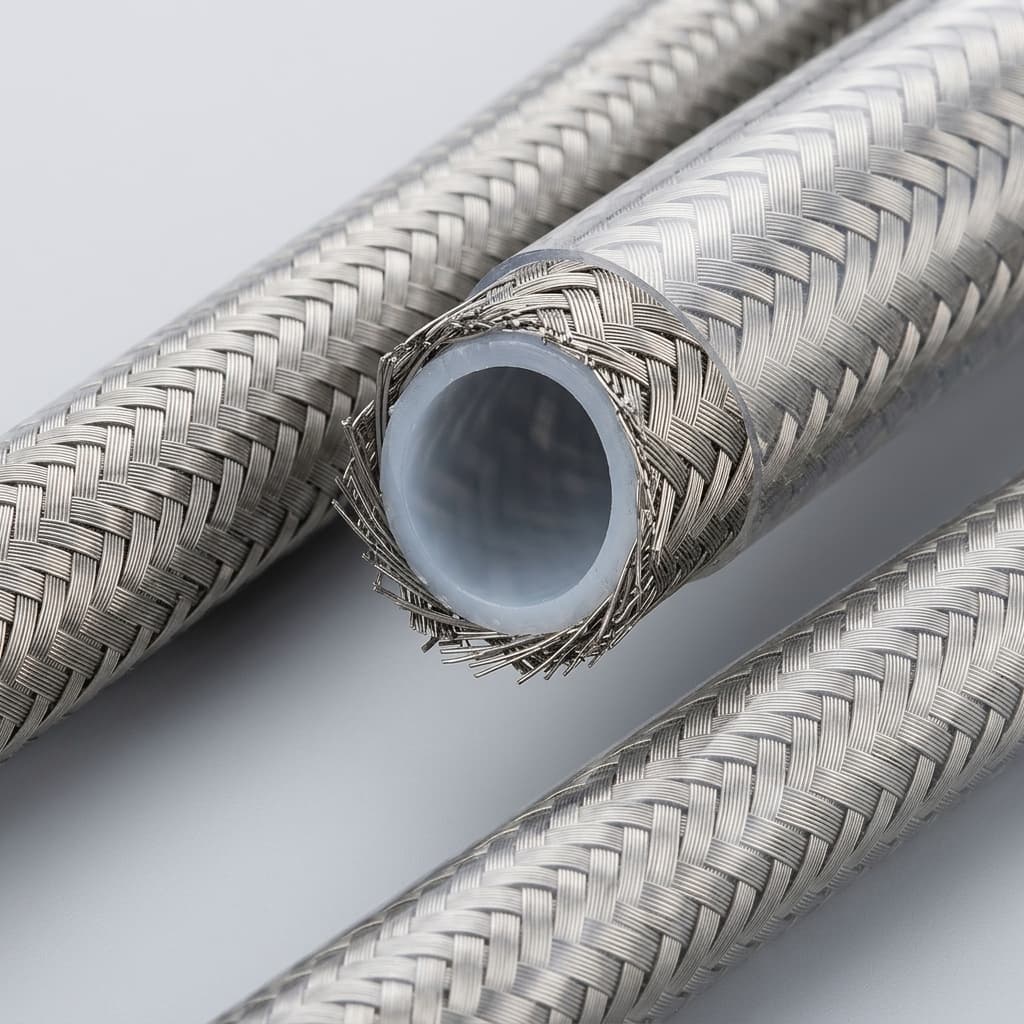
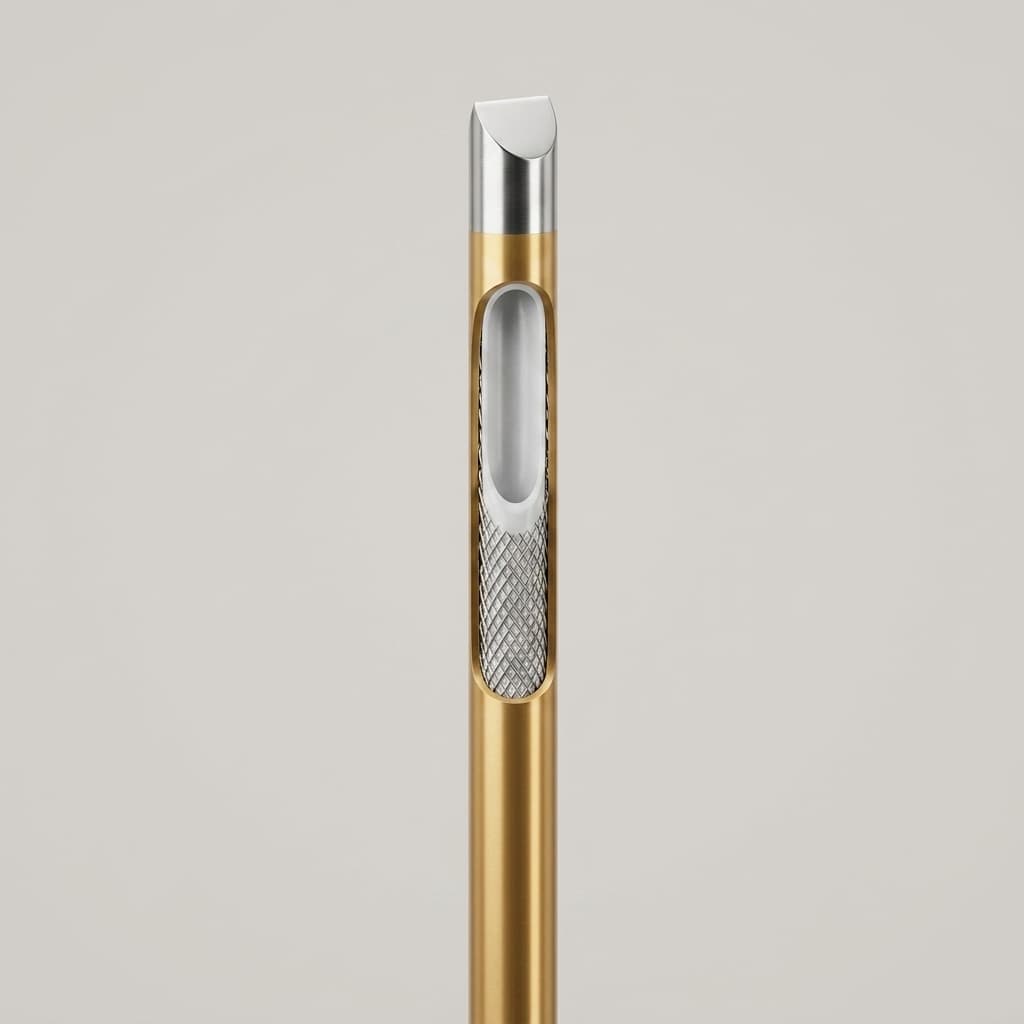
Core process control for PTFE liners and mandrels to ensure low-friction, defect-free inner lumens for reinforced catheter shafts.
Best Fit For:For quality and manufacturing teams who understand that catheter failure often starts with a collapsed or delaminated inner lumen.
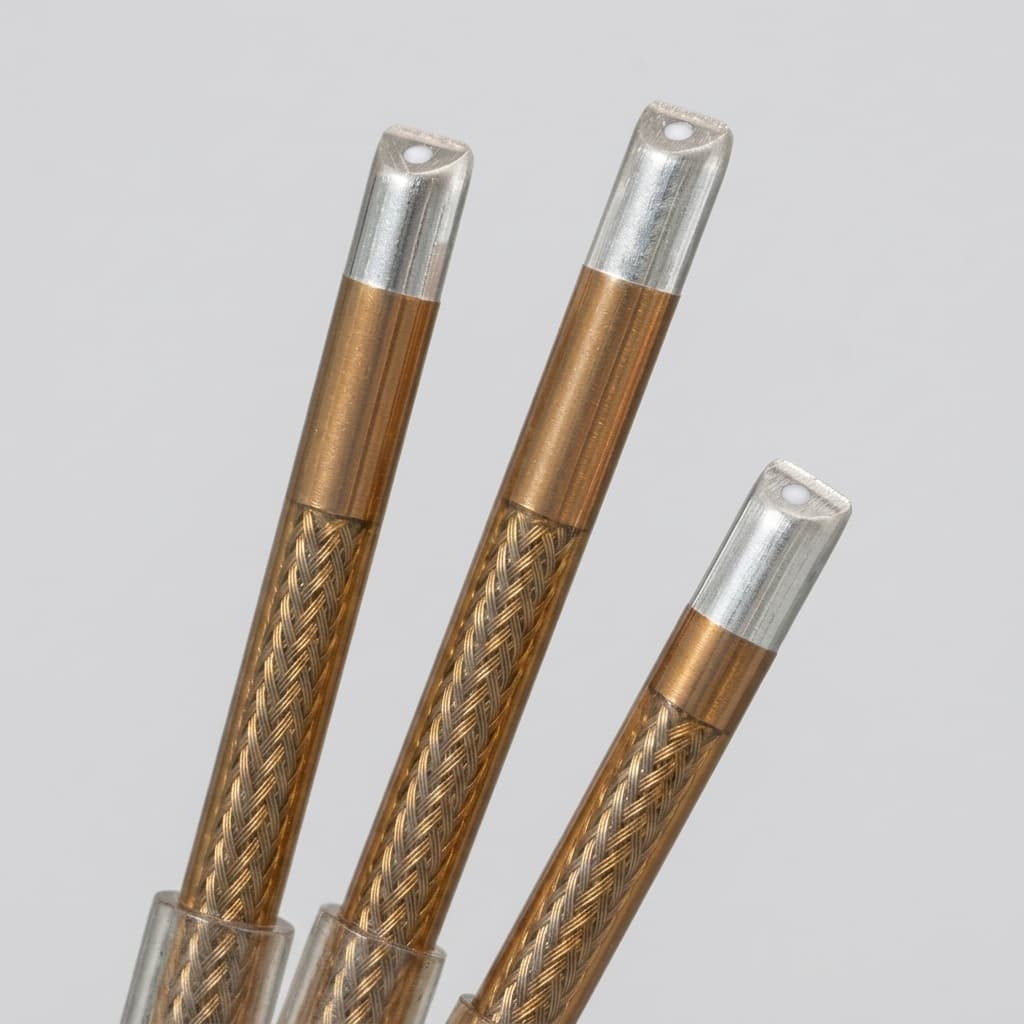
PTFE liner stretching and mandrel insertion process

Capability Highlights

  • PTFE liner stretching and mandrel fit control
  • Etched surface inspection for jacket bonding
  • Lumen pass-through verification after thermal reflow

Typical Engagement Scope

  • Guidewire compatible shafts
  • Stent delivery systems
  • Low-friction access catheters

Execution Focus

  • Mandrel surface finish and removal pull force
  • Etch quality of the PTFE liner
  • Wall thickness uniformity under braid/coil compression

Program Evaluation Matrix

Program MetricTypical RangeProcurement Value
Inner Diameter (ID) retention±0.001" to ±0.002" depending on sizeA loss of ID prevents the clinical device or guidewire from passing through the catheter.

RFQ Preparation Checklist

  1. Required final ID
  2. PTFE wall thickness limits
  3. Passed/Failed criteria for lumen patency (pin gauge size)

Risk and Mitigation

  • Liner wrinkling: Precise tensioning of the liner over the mandrel before the reinforcement and jacket layers are applied.

Related Products

Core mandrel processing for catheter shaft lumens
PTFE liner surface etching validation for jacket bonding

Buyer FAQ

Do you supply the PTFE liner?

We can source etched PTFE liners from qualified medical extruders, or work with your consigned materials for prototype builds.

Related Resources

Inquiry Email

[email protected]

Include OD/ID, shaft stack, prototype quantity, and delivery location.

Instant Chat

+8618857971991

Share your process review requirements.