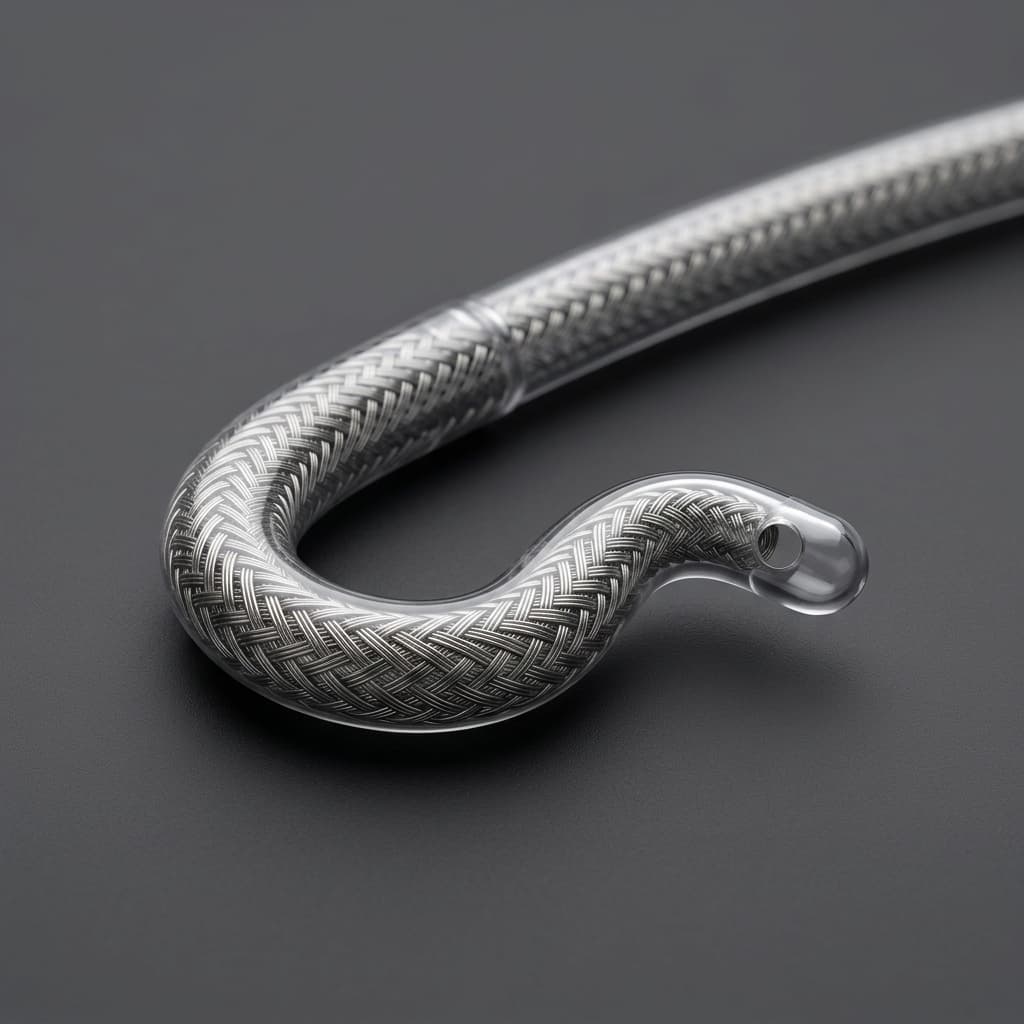
Preventing Hydrophilic Coating Delamination: A Sourcing Guide for Catheter OEMs
Hydrophilic coating delamination guide for catheter OEMs: compare bonding methods, FDA risk signals, supplier questions, and RFQ controls before sourcing.
When developing neurovascular, cardiovascular, or peripheral vascular delivery systems, a high-performance hydrophilic coating is essential for navigability. However, lubricious coating separation (delamination, flaking, or sloughing off) has become a leading cause of FDA recalls and adverse medical device reports (MDRs) in recent years.
For procurement teams and engineering managers, selecting a braided catheter shaft and extrusion OEM that masters coating adhesion is a critical risk-management decision. A failure here can lead to hydrophilic polymer embolism - a severe complication where coating particulates block distal microvessels.
[!WARNING] Regulatory Context FDA guidance identifies coating separation risks for intravascular catheters, guidewires, sheaths, and delivery systems, including MDRs, voluntary recalls, and serious adverse events such as embolism, stroke, tissue necrosis, and death. Treat this article as a sourcing and engineering screen, not as a regulatory submission checklist.
This guide breaks down why coatings fail, how to compare coating technologies, and what to ask your contract manufacturer during the RFQ process.
Scope and limitations (updated July 24, 2026): This guide applies to vascular catheter and guidewire-adjacent components that use lubricious hydrophilic coatings on polymer shafts, including reinforced shafts with PTFE-lined catheter shaft constructions. It does not replace device-specific biocompatibility, particulate, coating integrity, shelf-life, sterilization, or simulated-use validation.
1. Why Do Hydrophilic Coatings Delaminate?
Hydrophilic coatings, typically made from Polyvinylpyrrolidone (PVP) or Hyaluronic Acid (HA), are highly lubricious when hydrated. However, getting these water-loving polymers to stick to hydrophobic catheter substrates (like Pebax®, Nylon, or Polyurethane) is chemically challenging.
Common root causes of failure include:
- Poor Surface Preparation: Inadequate plasma or corona treatment fails to create reactive functional groups on the substrate.
- Incompatible Base Resins: High-durometer Pebax or heavily loaded radiopaque polymers (e.g., 80% Tungsten filled) can resist coating adhesion.
- Non-Covalent Bonding: Older coating methods rely on physical entanglement rather than true chemical (covalent) bonding, making them susceptible to shear forces during navigation.
- Improper Curing: Insufficient UV exposure or thermal curing times lead to incomplete cross-linking of the polymer matrix.
2. Comparing Coating Bonding Technologies
Not all coating processes are created equal. When evaluating an OEM, it is vital to understand their specific coating application and curing methods.
| Feature / Metric | Non-Covalent (Dip & Dry) | UV-Cured Covalent | Thermal-Cured Covalent | Plasma-Enhanced Bond |
|---|---|---|---|---|
| Bond Type | Physical entanglement | Chemical cross-linking | Chemical cross-linking | Chemical (Substrate optimized) |
| Delamination Risk | High | Low | Low | Very Low |
| Processing Speed | Very Fast | Fast | Slow (Hours) | Moderate |
| Substrate Compatibility | Broad | Good (Requires clear layers) | Excellent for opaque | Exceptional for all |
| Particulate Generation | High | Low | Low | Lowest |
| Best Application | Short-term access | High-volume microcatheters | Thick-walled devices | Highly tortuous neuro/cardio |
3. The Covalent Advantage
To meet modern FDA particulate standards, the industry has shifted aggressively toward covalent bonding technologies. By using a tie-layer or direct UV cross-linking, the hydrophilic polymer chains form strong chemical bonds with the substrate.
[!TIP] Engineering Tip: When designing your catheter, consider the outermost layer. If you use a high concentration of Barium Sulfate (BaSO4) or Bismuth Subcarbonate, it can inhibit UV curing penetration. Thermal curing, a dedicated ultra-thin unfilled tie-layer extrusion, or early marker band and reinforced shaft assembly planning might be required to protect coating integrity around high-risk distal zones.
4. OEM Sourcing Checklist for Hydrophilic Coatings
To avoid costly redesigns and regulatory delays, procurement teams and engineers must align on strict quality parameters. Use this checklist during your OEM supplier evaluation:
- Validated Surface Prep: Does the OEM use in-house Argon/Oxygen plasma treatment immediately prior to coating?
- Particulate Testing Capabilities: Do they have in-house equipment to perform simulated use particulate testing per FDA guidance?
- Lubricity Testing: Can they provide pinch-test data (friction force over multiple cycles) to prove coating durability?
- Curing Control: For UV coatings, how do they monitor and validate UV intensity and dosage across the entire shaft length?
- Shelf-Life Data: Has the specific coating/substrate combination been tested for accelerated aging and sterility impact (e.g., EtO vs. Gamma)?
- Traceability: How are coating batches tracked, and what environmental controls (humidity/temperature) are in place in the coating room?
5. Frequently Asked Questions (FAQ)
Q: Can we coat over a braided shaft with a very thin outer jacket?
A: Yes, but if the braid pattern creates a highly textured "bumpy" surface, the coating may pool in the valleys and thin out on the peaks, leading to uneven lubricity. A smooth reflowed outer jacket is strongly recommended.
Q: How does sterilization affect hydrophilic coatings?
A: Ethylene Oxide (EtO) is generally well-tolerated. However, Gamma or E-beam sterilization can cause chain scission in the coating polymers, reducing lubricity or increasing particulate generation if the dose is too high.
Q: What is the maximum length of catheter that can be coated?
A: This depends on the OEM's dipping tanks and UV curing towers. Many advanced contract manufacturers can coat continuous lengths up to 200cm for specialized neurovascular and peripheral applications.
6. Securing Your Supply Chain
Designing a reliable catheter is only half the battle; manufacturing it consistently at scale requires a partner with deep materials science expertise. Don't let a secondary process like coating become your primary point of failure.
Whether you need rapid prototyping to test coating adhesion on a new multi-durometer shaft, a coil reinforced catheter, or steerable catheter shaft components, rigorous process controls are mandatory.
Need to qualify a reliable manufacturing partner?
Our team specializes in advanced extrusion, precision braiding, and controlled secondary operations. Send your device specifications and coating requirements to [email protected] or start from the contact/RFQ page for a comprehensive engineering review and prototype quote.
Sources & References
- FDA Guidance: Intravascular Catheters, Wires, and Delivery Systems with Lubricious Coatings - Labeling Considerations
- FDA Guidance: Coronary, Peripheral, and Neurovascular Guidewires - Performance Tests and Recommended Labeling
- National Institutes of Health (PMC): Hydrophilic Polymer Embolism: Implications for Manufacturing, Regulation, and Postmarket Surveillance
- MDDI Online: FDA Warns About Deadly Device Coatings Problems
Author

Categories
More Posts
ECHA PFAS Restriction Update (May 2026): Impact on PTFE Catheter Liners and OEM Procurement
A deep dive into the ECHA RAC and SEAC 2026 milestones regarding the EU PFAS restriction, and how medical device OEMs must navigate supply chain risks, derogations, and alternative materials like UHMWPE.

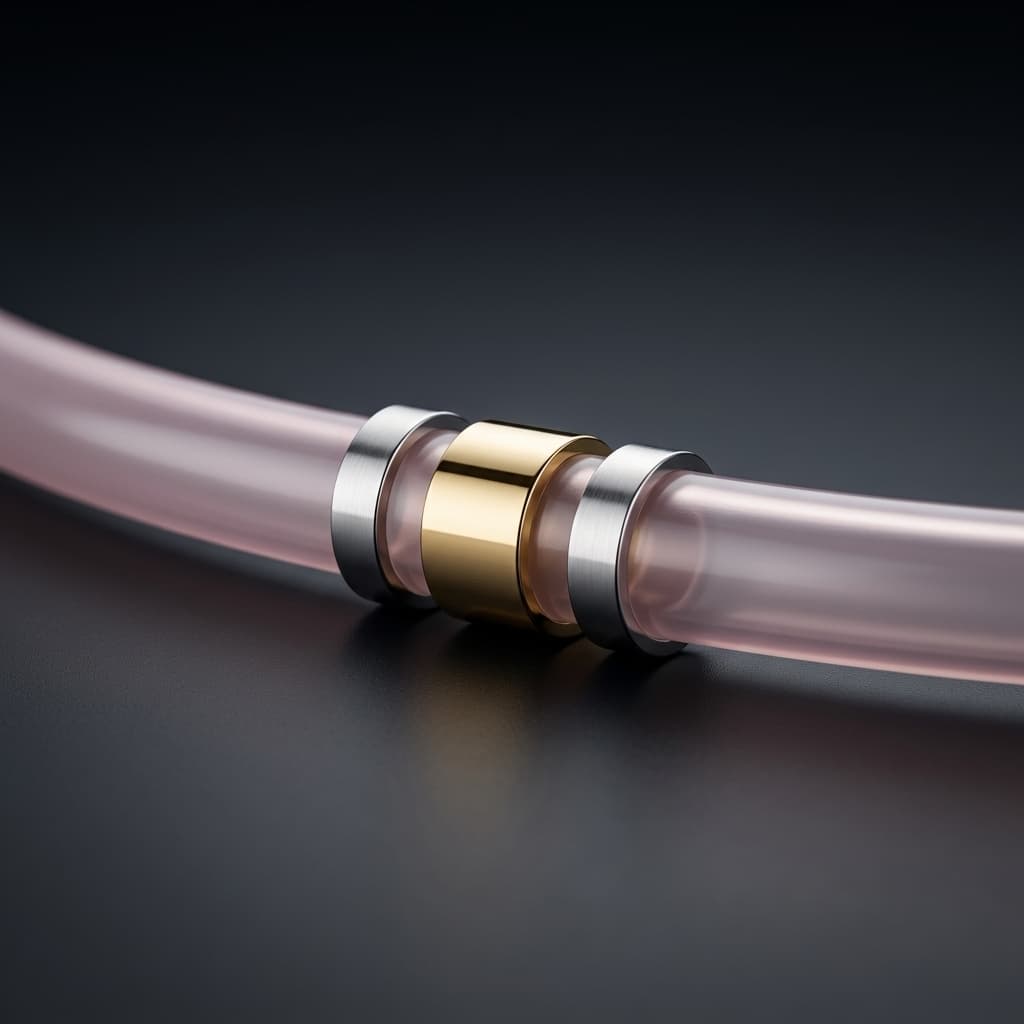
Catheter Marker Band Assembly: Swaging vs. Bonding for Radiopacity
A practical engineering guide to integrating radiopaque marker bands into reinforced catheter shafts. We compare swaging and thermal bonding techniques, dimensional tolerances, and inspection criteria.
Nitinol vs. Stainless Steel 304V in Catheter Braiding: An OEM Sourcing and Cost-Benefit Guide
Compare Nitinol vs stainless steel 304V catheter braid wire for OEM sourcing, cost, kink risk, lead time, testing, and RFQ decisions. Request DFM input.