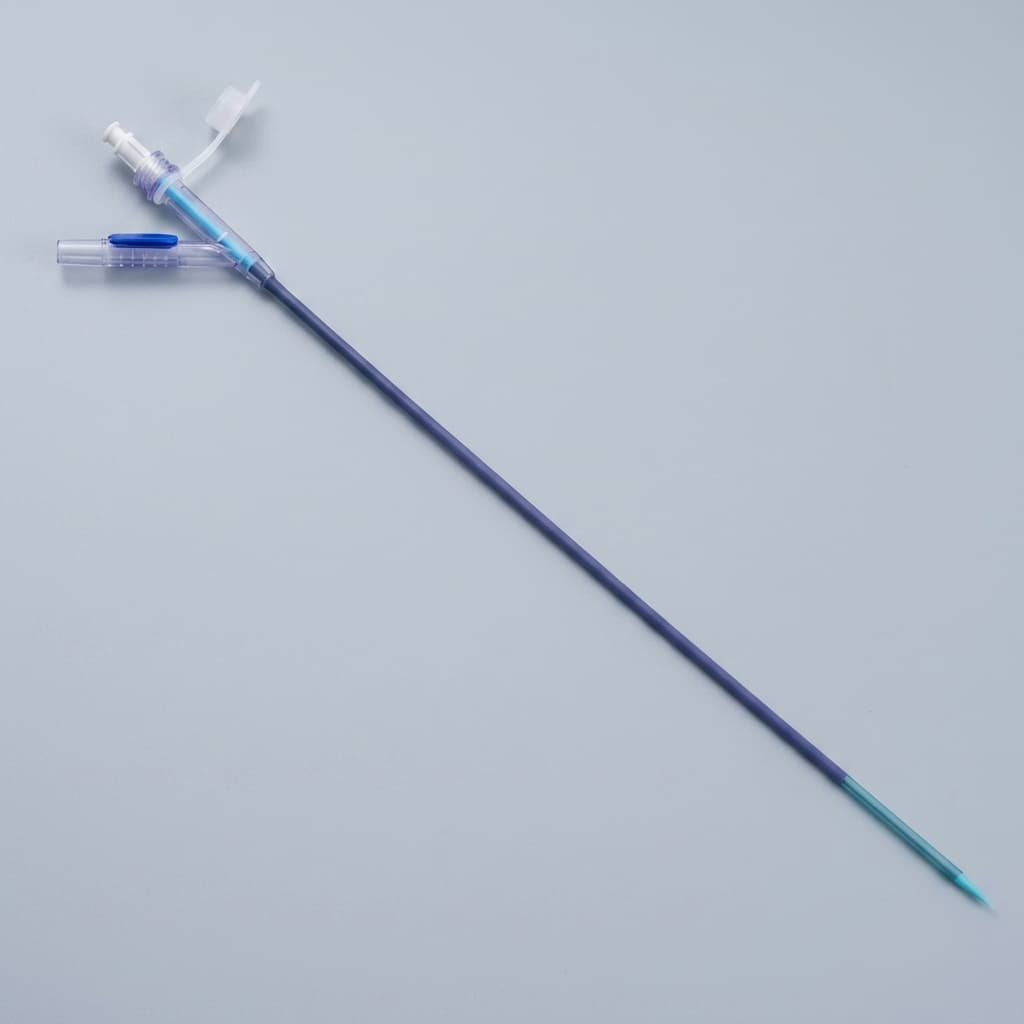
Buyer Guide: How to RFQ Braided & Coil Reinforced Catheter Shafts
A practical engineering and sourcing checklist for medical device teams evaluating catheter shaft OEM partners. Includes specific CTQ tolerance guides and material selection matrices.
When a reinforced catheter concept moves from benchtop to pilot production, the RFQ phase is often where timelines slow down. Vague performance requirements, missing specs, or unaligned validation expectations can create quoting loops, inaccurate pricing, and delayed project launches.
Here are the practical checkpoints and dimensional realities to define before you send that RFQ email to an OEM partner.
1. Define the Core Architecture and Materials
Before any quoting begins, establish the fundamental stackup of your catheter shaft. A simple "we need a braided catheter" is insufficient. Specify:
- Inner Liner: Is it an etched PTFE liner? What is the required inner diameter (ID) and wall thickness? OEM standard limits: PTFE wall thicknesses often range from
0.0005" to 0.003". (See our guide on avoiding PTFE reflow defects for critical tolerances). - Reinforcement Layer: Are you using stainless steel braid (e.g., 304V), nitinol coil, or a hybrid structure? (Read our Braid vs. Coil architecture breakdown).
- For braids, define the wire dimensions (e.g.,
0.001" x 0.003"flat wire), braid angle, and PIC (picks per inch). - For coils, define the pitch (e.g., zero gap vs.
0.002"gap).
- For braids, define the wire dimensions (e.g.,
- Outer Jacket: What polymer are you using? (e.g., Pebax 35D to 72D, Vestamid Nylon 12, or Polyurethane). What are the durometer zones along the length of the shaft?
Material Quick Reference Matrix
| Component | Standard Choice | High-Performance Choice | Why Upgrade? |
|---|---|---|---|
| Liner | HDPE / FEP | Etched PTFE | Lowest coefficient of friction for guide wires. |
| Braid Wire | 304V Stainless Steel | Nitinol | Superior kink recovery and shape memory. |
| Jacket | Single Durometer Pebax | Multi-segment Pebax | Allows transition from stiff proximal hub to floppy distal tip. |
2. Outline Transition Zones and Distal Assembly
Most high-performance catheters are not uniform from hub to tip. Ensure your RFQ calls out:
- Durometer Transitions: Location and length of flexibility transitions (e.g., stiff 72D proximal section transitioning to a 35D floppy distal tip).
- Marker Bands: Placement and assembly method (swaging vs. reflow encapsulation) for radiopaque marker bands. (See our Marker Band Assembly Guide).
- Tip Forming: Do you require an atraumatic soft tip? Is it butt-welded or continuous reflow?
3. Establish Validation and CTQ Requirements
A manufacturer needs to know how you will measure success to quote the correct Quality Control (QC) overhead:
- Critical-to-Quality (CTQ) Dimensions: What are the strict tolerances for OD, ID, and concentricity? Note: Requesting
±0.0005"on an extruded jacket will significantly increase scrap rates and cost compared to a standard±0.001". - Performance Targets: Specify minimum kink radius, torque transmission percentage (e.g., 1:1 rotation), or tensile pull strength for the hub bond.
- Documentation: Will you require full First Article Inspection (FAI) reports, material certifications, or specific ISO 13485 traceability packages (e.g., complete DHR)?
4. Minimum RFQ Template for Faster Responses
Free Download: B2B Catheter OEM RFQ Template
Reduce email loops with a one-page RFQ template covering CTQ parameters, tolerance fields, and material specs that help suppliers quote more accurately.
Get the RFQ Template
For the fastest, most accurate quoting process with an OEM, ensure your initial email covers:
- Product Scope: (e.g., Braided Shaft, Coil Reinforced, PTFE Lined)
- Target Dimensions: OD / ID / Usable Length / Tolerances
- Reinforcement Specs: Wire material, geometry (flat vs round), and density (PPI/Pitch)
- Jacket Specs: Polymer type and durometer layout
- Volume: Prototype Quantity (e.g., 50 pcs) vs. Annual Forecast (e.g., 10,000 pcs)
- Timeline: Expected delivery date for First Articles
Get a Quote That Actually Means Something
If you have your specifications ready, or if you need an honest Design for Manufacturability (DFM) check before freezing your tolerances, send your prints to [email protected]. Our engineering team will review it and help you avoid the common manufacturing traps.
More Posts
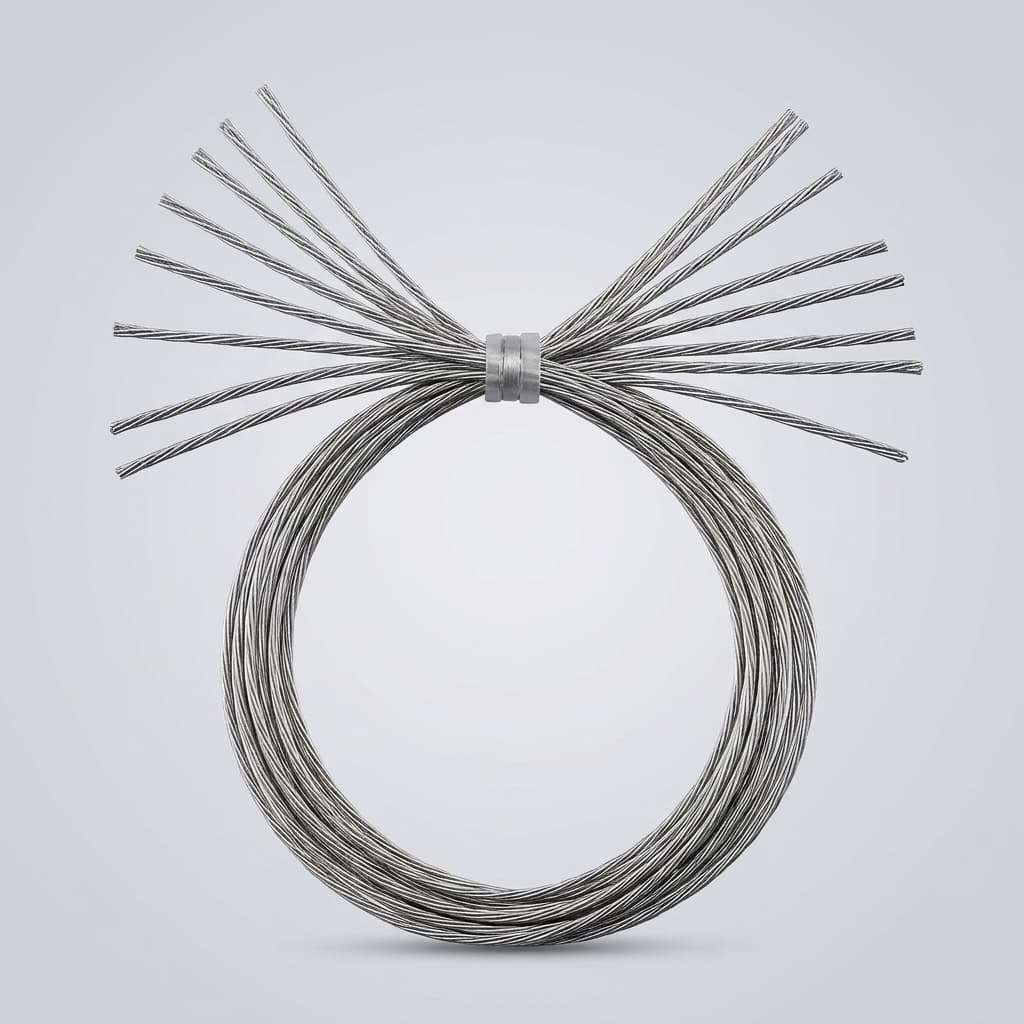
Nitinol vs. Stainless Steel 304V in Catheter Braiding: An OEM Sourcing and Cost-Benefit Guide
Compare Nitinol vs stainless steel 304V catheter braid wire for OEM sourcing, cost, kink risk, lead time, testing, and RFQ decisions. Request DFM input.

EtO Sterilization EPA Rules (2026): Impact on Catheter Polymer Selection and Sourcing
Use this 2026 EtO sterilization EPA rules guide to compare catheter polymer risks, radiation trade-offs, sourcing checks, and OEM review steps.
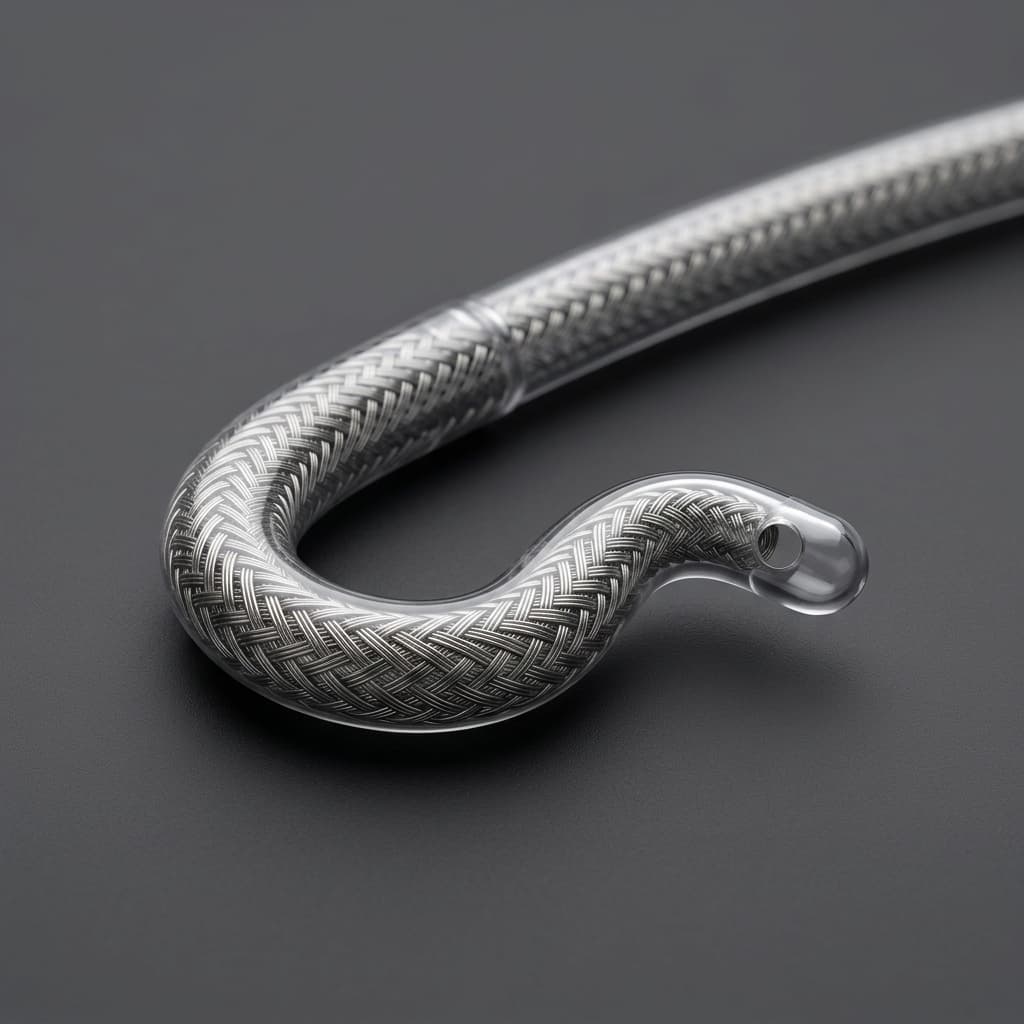
FDA Class I Recall (July 2026): Mitigating Distal Tip Detachment in Delivery Catheters
The recent Class I recall of a major delivery catheter system over distal tip detachment highlights critical risks in inner shaft assembly and transition zone bonding. Learn how buyers and OEM engineers can audit suppliers to prevent this manufacturing defect.